Whatever You Need To Learn About Postpartum Urinary Incontinence
❧❧
Presented by @archerowkj840
Is Bladder Leak Irreversible After Childbirth? Urinary system urinary incontinence occurs when you unwillingly release urine. Some ladies manage this delicate issue while pregnant or as they age. Some women even have what's called "stress urinary incontinence," which is a sort of urinary incontinence that can be experienced during and after maternity. In this instance, the bladder sphincter has actually lost some feature as a result of the consistent rise in stress, making it challenging to hold in pee. Labor entails long term, occasionally strong, pressing and birthing down. Reported occurrence and occurrence numbers reveal a big array due to varying research study approach. The crude frequency of post-partum UI might differ when accounting for bother. Exact frequency and occurrence figures on (annoying) UI are of significance for health care carriers, study preparation, and plan manufacturers. While pregnant, your pelvic floor muscular tissues stretch immensely to accommodate the child's passage through the genital canal. Concurrently, weight gain and hormonal agents like relaxin soften helpful connective tissues for birth. While essential holiday accommodations Menopause make it possible for delivery, these physical adjustments incline leak problems later on as the pelvic floor and vaginal cells recuperate post-childbirth.
Signs And Symptoms Indicating Required Pelvic Flooring Re-education
Can postpartum bladder prolapse recover itself?
The problem likely will not vanish on its own and might aggravate over time without treatment. We commonly suggest beginning with conventional therapy techniques whenever feasible. Pelvic flooring treatment and Kegel workouts may be all you need to restore your pelvic area to correct positioning.
We also offer MonaLisa Touch ®, a noninvasive laser treatment made to boost ladies's wellness. While it's a preferred option to treat genital dry skin and discomfort, it can additionally assist soothe signs and symptoms of moderate urinary incontinence after giving birth. Pelvic instructors can be a handy component of a wider pelvic health and wellness routine, that includes physical treatment and targeted workouts, education and learning, encouraging way of living changes, or other treatments. A physiotherapist (PT) can analyze your signs and symptoms and activity patterns to tailor a fortifying and stretching program that's right for you.
Managing Postpartum Incontinence With A Newborn
Just as for urinary incontinence, there is a greater probability of rectal incontinence for a woman adhering to a genital distribution than following a cesarean area. Studies show that more than a 3rd of ladies who provide vaginally have some damages to these rectal Visit website muscles. In females with a forceps distribution, regarding 80% have damages to the rectal muscle mass. Many recoup their pre-labor feature, however, for some the damaging impacts can continue for many years. The outcome of severe injury to anal muscular tissues and nerves can be the failure of the rectal muscle mass to close entirely with resultant uncontrolled loss of gas or feces. Urinary system incontinence (UI) is a typical complaint for post-partum ladies.
Does Cesarean Area Safeguard Against Prolapse And Urinary Incontinence?
As every female that supplies a youngster knows, labor and delivery subject the body to pressures that are not run into in any kind of other condition. As the baby's head boils down into the hips, it presses against the muscles that line the inside of the hips. The further down the infant's head goes into the hips, the higher the stress versus these muscle mass and underlying nerves.
While pregnant, it's a result of added weight and stress on the bladder and pelvic floor, and can continue or aggravate after delivery if there's extensive tearing during birth.
What to Expect follows strict coverage guidelines and utilizes just reputable sources, such as peer-reviewed studies, scholastic research study establishments and highly respected wellness organizations.
A grad of Columbia University Chicago with a Bachelor's degree in Journalism, Marlee proactively added to different publications, including Borgen Magazine, Mirror Publication, Assuaged, Inc., and Chicago Concepts Week.
This extra stress on your bladder is known as stress incontinence and this takes place when the bladder sphincter does not function well adequate to hold in urine.
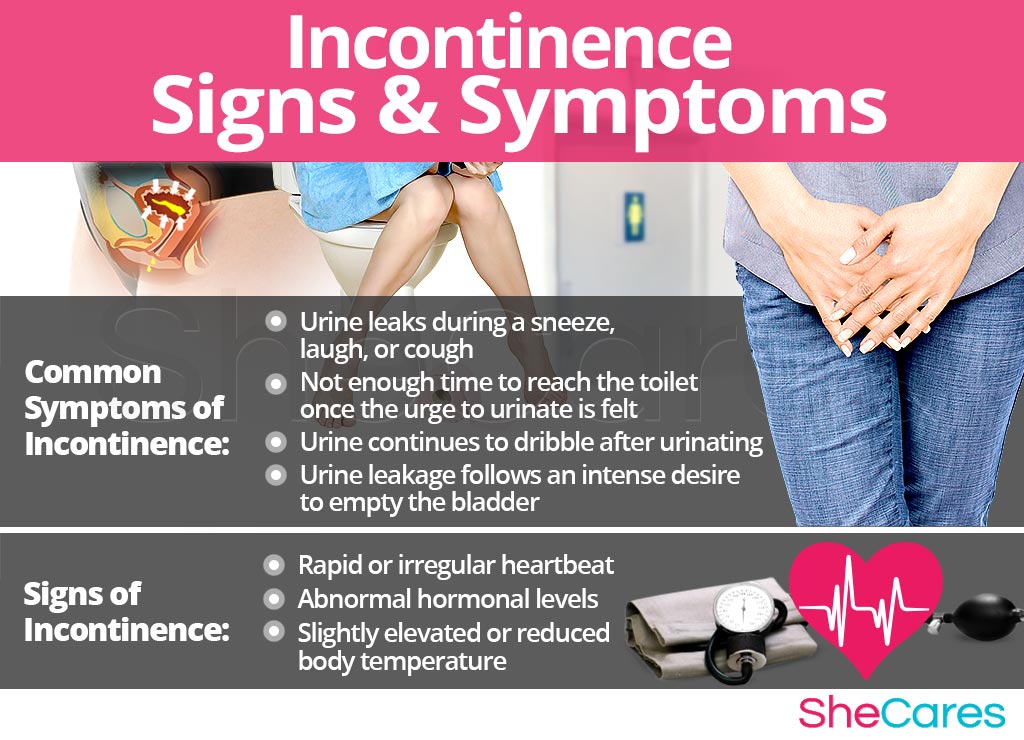
A growing uterus places stress on the bladder and may cause the requirement to pass pee regularly and, at times, incontinence. As infants grow while pregnant, they push down on your bladder, urethra, and pelvic flooring muscles. This stress can deteriorate the pelvic floor muscles and bring about uncontrolled loss of urine (incontinence) or troubles passing urine. This causes a sudden, solid urge to pee that you might not be able to regulate. Stress brought on by chuckling, sneezing, or exercising can cause you to leakage pee. Urinary system incontinence might additionally take place if there is an issue with the nerves that control the bladder muscles and urethra. The substantial bulk of females who deliver do not establish incontinence. For the most part, the damage produced by giving birth repair services itself with time as the tissues undergo the regular healing procedure. Most of ladies experience no residual impact within just a few months after childbirth.