21 September 2026
When Giggling Makes You Leak: Understanding Stress Urinary Incontinence
Presented by @archerowkj840
Tension Incontinence: Peeing When You Run, Cough, Laugh
The primary sign of stress and anxiety urinary incontinence is the leaking of pee when you sneeze, cough, laugh, lift something, turn, or do something that places anxiety or strain on your bladder. With this type of bladder control problem, you may leak a tiny to modest quantity of pee. Reliable therapy for stress urinary incontinence-- from pelvic flooring therapy to surgical remedy-- is offered at both our Lapeer and Rochester Hills offices.- The normalization of tension incontinence-- the social shorthand that dripping when you laugh is "just what occurs after youngsters"-- is one of one of the most consequential misunderstandings in women's wellness.
- Secret danger variables consist of having an over active bladder, family members history of the problem, ADHD (found in 23% of instances), and previous pelvic flooring weakness [5]
- See them sooner if you have pain, blood in your pee, regular urinary system system infections, or problem clearing your bladder.

Leakage When You Run? 6 Methods To Maintain Your Pelvic Floor Delighted
It's more typical than you may think, and it can influence men and women. It's far more prevalent in females, especially after childbirth or during menopause. You can avoid this if you can't find the right muscle mass due to nerve injury.
Act Currently For A Leak-free Life
It simply indicates that day-to-day motions or a passionate chuckle can sometimes bring about involuntary pee leakage. It occurs when pressure on your bladder-- from activities like laughing, coughing, sneezing, or moving-- creates you to leakage pee. Practicing diaphragmatic breathing, or deep stubborn belly breathing (see above), aids collaborate the muscles of your diaphragm and pelvic flooring. When these muscle groups collaborate efficiently, it can assist sustain the bladder and boost control over urine flow.
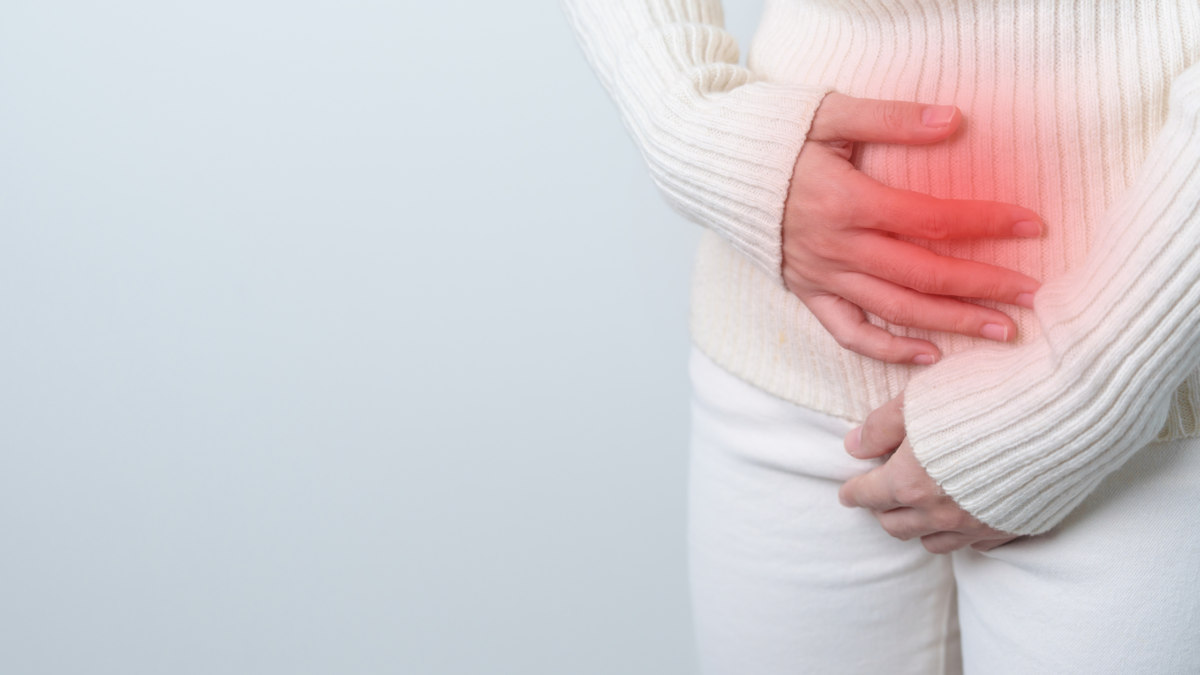
Aeroflow suggests consulting your healthcare provider if you are experiencing clinical concerns associating with urinary incontinence. If you're dripping pee when you cough, sneeze, or strain, you might have anxiety urinary incontinence. While Flavoxate childbirth is a significant threat element, a lot of women who've never ever been expectant experience SUI. Nulliparous females (women who haven't given birth) can establish urinary incontinence due to genes, connective cells conditions, chronic bowel irregularity, persistent coughing, or high-impact sports.
Non-surgical Treatments Concentrate On Strengthening The Pelvic Flooring
It can range from being a minor issue to something that considerably impacts your life. Speak to your doctor to find out about which tension urinary incontinence therapy choices are best for you. The reality is, this type of bladder leakage, frequently called anxiety incontinence, can show a hidden problem that may Get more info require focus.
Pelvic floor PT can eliminate various pelvic problems, such as pelvic pain, painful sex, and urinary incontinence. A 14-year-old child provided to a metropolitan scholastic family medicine health centre with worries of overall bladder emptying when he laughed, regardless of where he was. His urinary incontinence began at a young age, however had actually gotten worse recently. It took place about 3 times each week, only with laughing, and not with coughing, sneezing, or running.